


The world is changing so fast that we have never witnessed the same. The world is changing rapidly, digitally, across all industries: IT, marketing, finance, manufacturing, and education. There are new technologies, including AI, automation, cloud computing and data analytics, that have transformed work processes, job tasks, and skills demand. Since professions are changing more than ever before, it is a constant challenge for professionals to keep upskilling and changing.
Mentorship has not only become useful but also a necessity in this rapid world. It is no longer possible to survive with traditional mentorship, which depends on face-to-face meetings and is not that accessible. The modern generation of professionals requires advice that is as quick and nimble as the digital age. Here, mentorship with technology comes in.
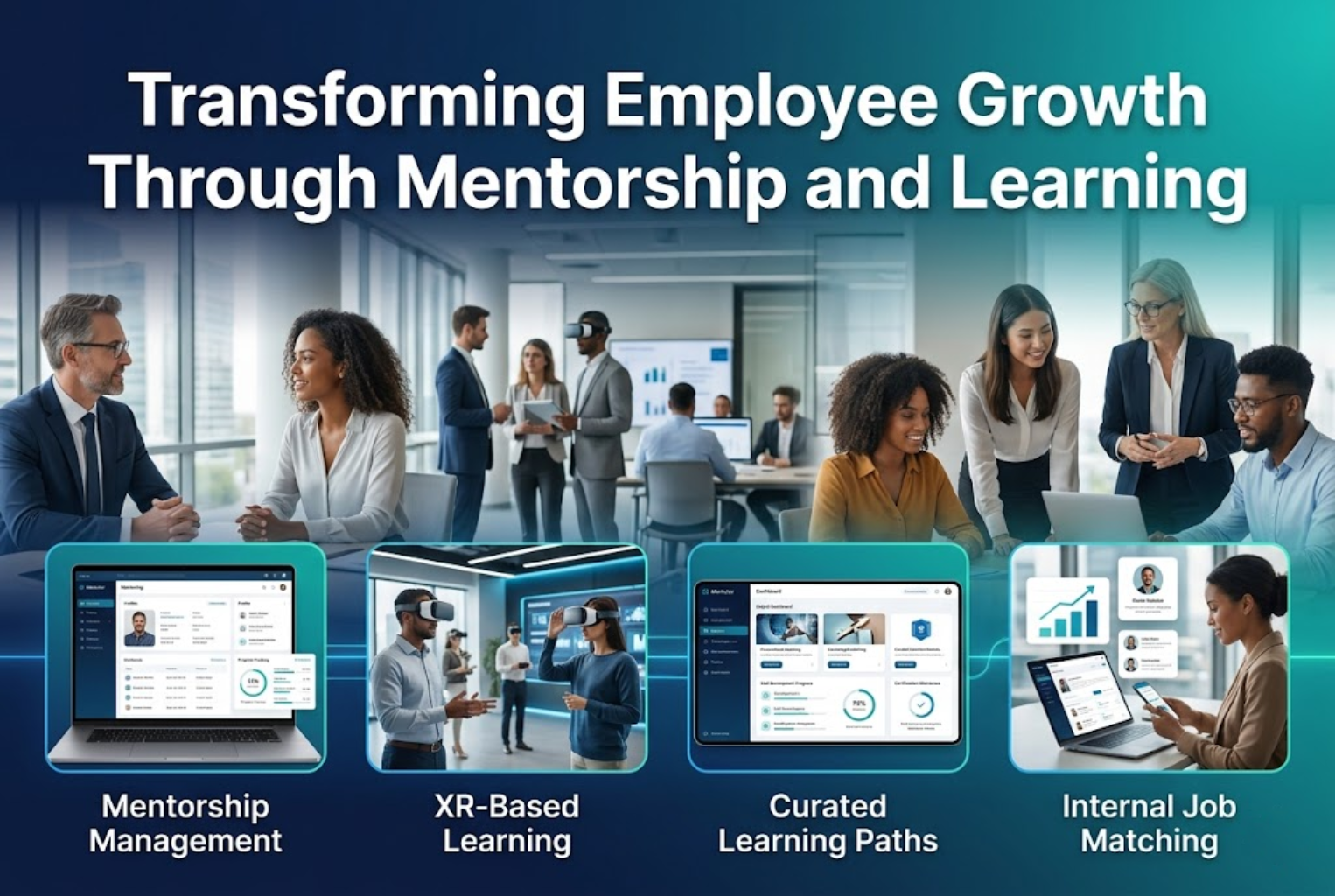
Tech-enabled mentorship involves combining the strengths of digital tools, online learning platforms and online training platforms in order to offer a streamlined, accessible, and more personalized mentoring experience. It also fills the gap between the old-fashioned training and the new needs of the skill base and renders the learners up-to-date and future-oriented.
What Tech-Enabled Mentorship Means
Tech-enabled mentorship can be described as the combination of technology with conventional mentorship activities to improve the learning process, communication, and skill development. It employs the use of digital tools that, in turn, include mentorship applications, online platforms, AI-driven learning platforms, and analytics dashboards to establish a more efficient model of mentoring.
In comparison to the conventional mentorship, which was frequently based on face-to-face meetings, restricted access, and unorganized mentorship, tech-enabled mentorship provides:
• Video calls, chat, or voice messaging.
• Being available anywhere, eliminating geographical constraints.
• Higher organization and structured modules, milestones and performance tracking.
• Evidence-based opinions to personalize the learning process of the mentee.
They can be digital mentoring apps such as MentorCliQ or Together, AI-based learning recommendations, automated progress reports, and connections to online learning programs that give career-oriented content.
The Digital Era Mentorship Requires Tech Enabling
1. Growing sophistication of online capabilities
The scope of the job has changed drastically. In the modern world, machine learning, data literacy, remote work, cloud computing, and online communication are the skills that have to be mastered by the professionals. Devoid of advice, it becomes very fatal to maneuver through these skill shifts.
2. Faster learning cycles
The world is dynamic, and technologies are being developed annually. The requirement to keep learning is high at all times, and conventional mentorship is unable to keep pace. The tech-enabled systems keep pace with the current learning requirements.
3. Remote work culture
As hybrid and remote work become a reality, the teams are no longer limited to one office. Mentorship is tech-enabled, which makes it possible to get expert guidance anywhere.
4. Access to global mentors
There are no borders with digital tools. An Indian learner can freely interact with a US or European mentor. Such access all over the world enhances learning and exposes the mentees to a wider horizon.
The Main Advantages of Tech-Enabled Mentorship
1. Convenience & Flexibility
Tech-enabled mentorship also enables the learner to have the mentorship sessions scheduled according to his/her convenience without visiting a specific location or meeting at a specific time. The flexibility enables mentoring to be sustainable, particularly for the working professionals.
2. Individualized Learning Plans
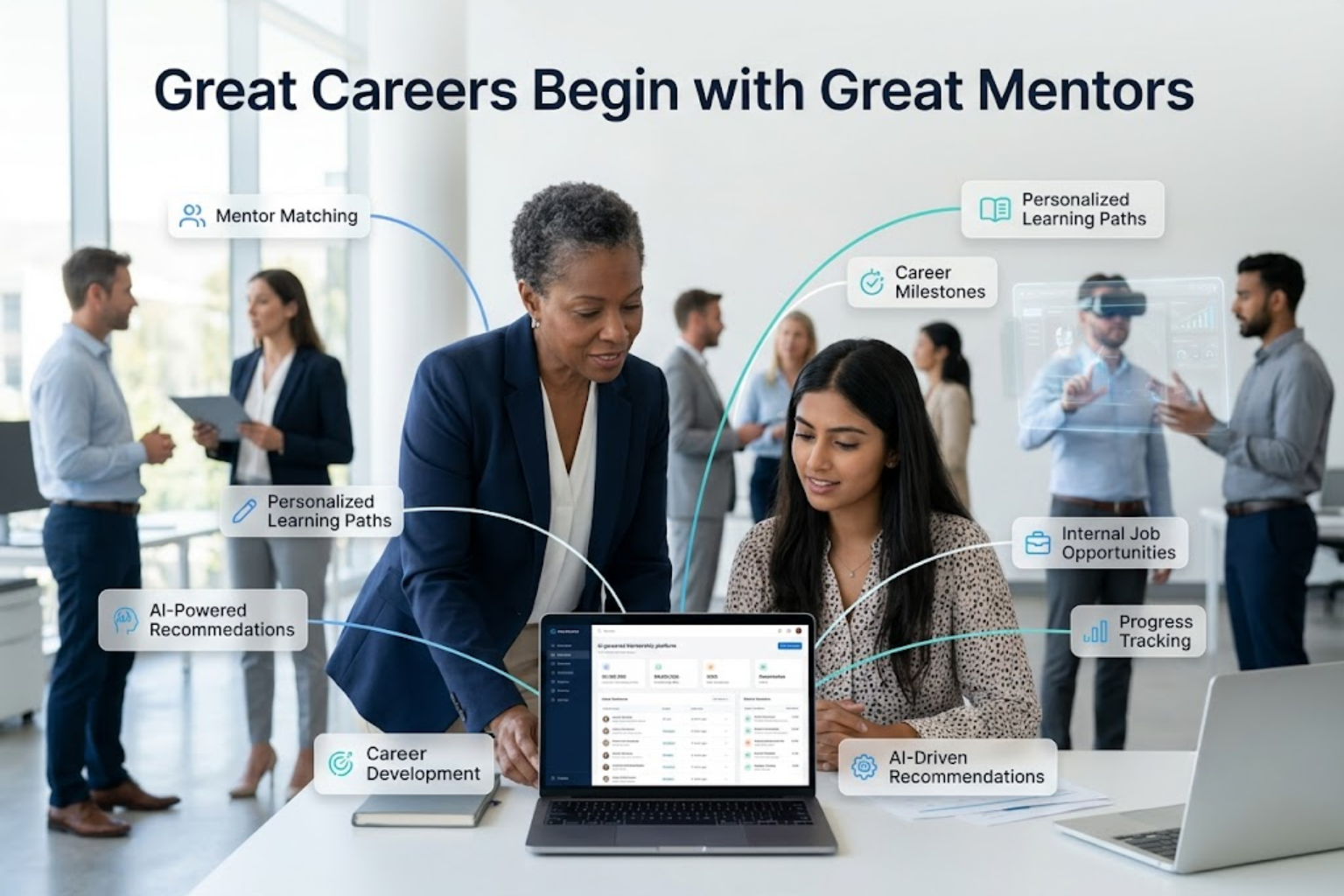
Skill gaps can be analyzed using online training platforms and AI systems, which suggest individual learning paths. This will make sure that the mentee gets the proper guidance when he/she needs it in his/her career aspirations.
3. Scalable Mentor-Mentee Networks
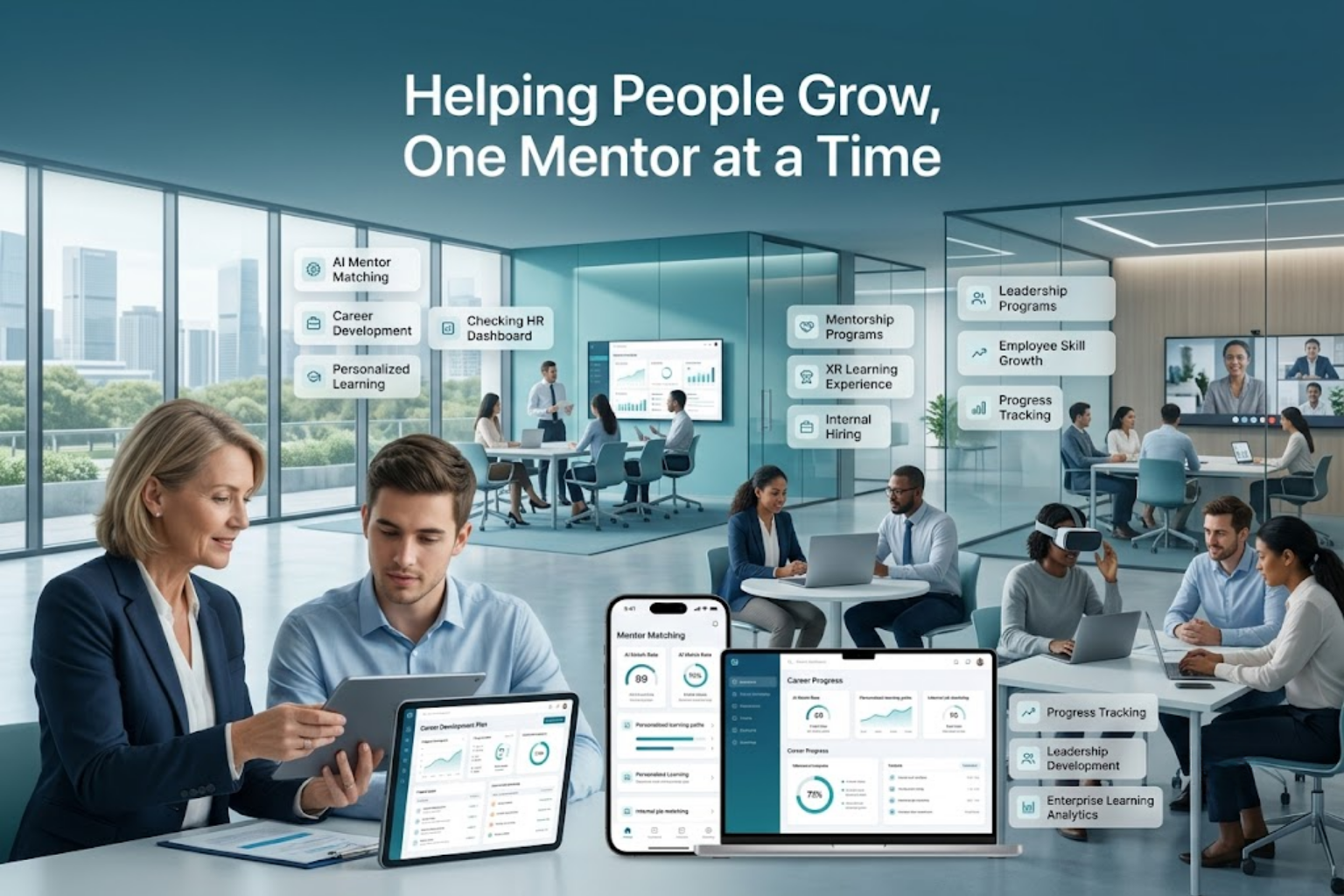
Technology enables organizations to scale mentorship programs to hundreds of thousands of users at the same time. Best-suited mentors are matched to the mentees according to their goals, interests, and skills with the help of matching algorithms.
4. Progress tracking and real-time feedback
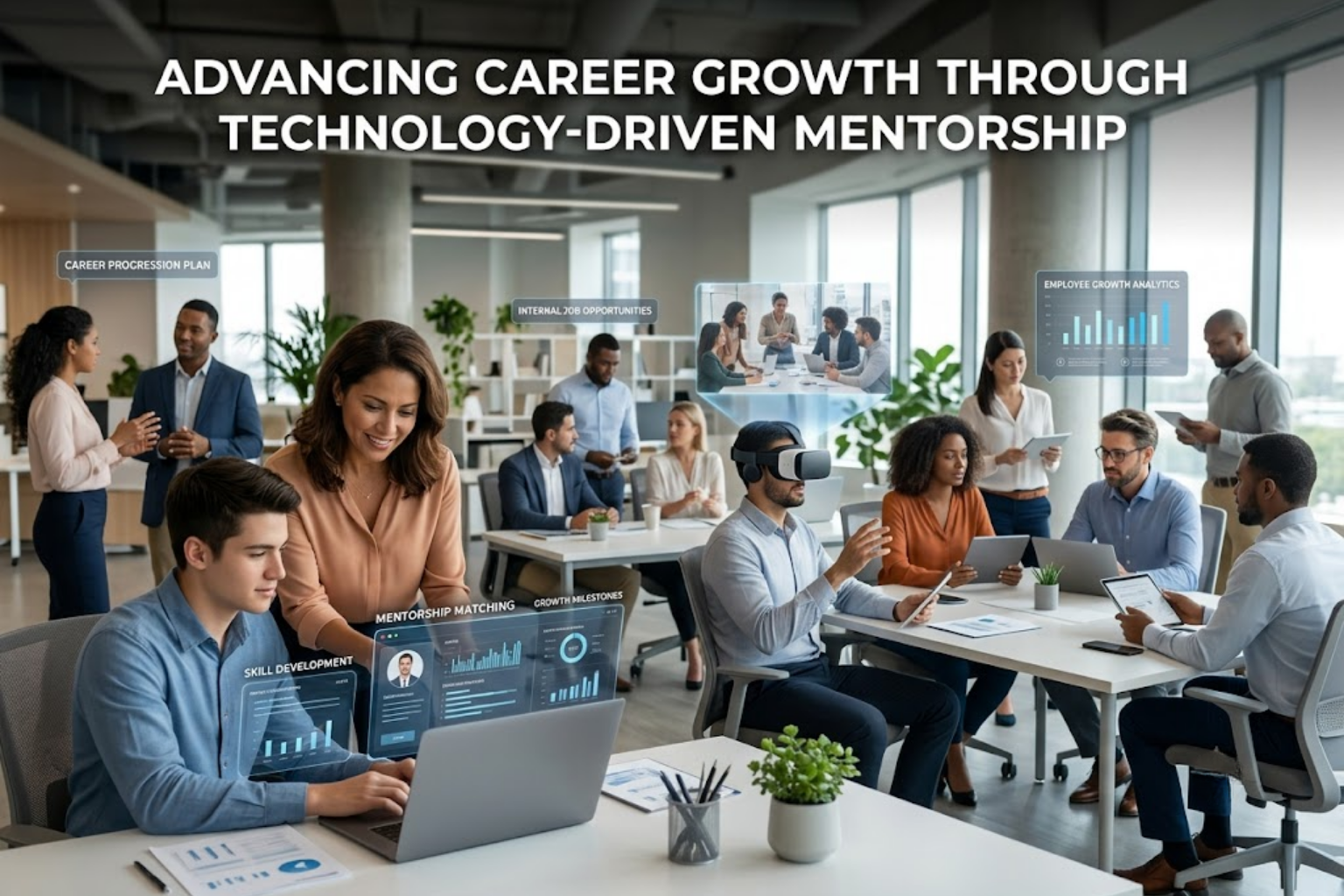
Constant monitoring of progress is also achieved through digital dashboards, analytic tools, and automated performance reports. Mentees get real-time feedback and trace their progress in the long run.
5. Enhanced Accountability
Tech-enabled systems include automated reminders, tracking tasks and keeping learning records. This aids mentees in being determined towards what they are set to achieve and brings about organized mentoring.
The way technology enhances mentor-mentee interaction
1. Interactive tools
Sessions are more active and interactive with the use of video calls, chat options, screen-sharing, and digital whiteboards. These tools are useful in explaining complicated issues in a visual and useful manner.
2. Artificial intelligence learning recommendations
AI is used to recommend optimal resources to the mentor based on the performance of the mentee. It contains articles, videos, courses, and exercises that were selected from the online learning resources.
3. Gamification
Learning is more fun and motivating with the use of leaderboards, badges, achievement rewards, and progress milestones. Gamification has a large effect in terms of engagement and long-term commitment.
Fashionable Technologies for Mentorship Today
1. Mentorship Platforms
Mentor-matching Automation Mentorship programs Organizational tools such as MentorCliQ and Together assist in tracking progress and organization of mentorship programs.
2. Artificial Intelligence Skills Development Solutions
Intelligent technologies do the learning behavior analysis and provide custom content. They will assist in determining the skills that the mentee is deficient in and how best to acquire them.
3. Learning Management Systems (LMS)
On LMS, courses, assessments, assignments, and certifications are all integrated, making them the focus of professional development.
4. Collaboration Apps
Teams, Slack, Zoom, and Notion are some of the platforms that enhance communication and collaboration, which enhance connectivity between mentors and mentees.
Real-World Use Cases
1. Tech Startups
Digital mentorship is used in the onboarding process of new employees to enable startups to quickly learn tools and systems and best practices. The virtual mentors offer advice without necessarily being there.
2. Universities
Universities have also implemented hybrid mentorship programs in that students are guided on academic and career levels by using digital platforms and online training platforms.
3. Corporates
Big companies introduce AI-based coaching systems to develop leaders, upskill employees, and enhance their performance.
The Ultimate Guide to Selecting the Tech-Enabled Mentorship Platform
1. Usability
It should be easy, user-friendly and simple to use by both mentors and mentees.
2. Tracking Tools
Find dashboards, analytics, and reporting capabilities that will simplify the monitoring of progress.
3. Personalization
It needs to provide personalized learning journeys and personalized mentor proposals.
4. Security
It is very important to protect the data, particularly when it is personal or corporate.
5. Mentor Quality
A platform should authenticate the expertise of mentors to deliver valuable advice.
6. Scalability
Select a system that is expandable to your learning or organizational requirements.
Mentorship of tomorrow: AI + Human Domain
As mentorship progresses in the future, it will be a combination of AI-guided wisdom and emotional insights of the human being.
1. Role of AI Mentors
Mentors AI will assist with the daily support, solutions to simple questions, and a general recommendation of skills.
2. Human Empathy
The areas that will not be substituted with technology are emotional intelligence, decision-making support and long-term career guidance, which will be concentrated under human mentors.
3. Predictive Learning
One of the ways will be advanced analytics that predict the future learning requirements, enabling mentees to prepare to take up positions, which might not be available.
Conclusion
Mentorship is no longer a possibility made easier by technology but rather a necessity of the digital era. With the changing career and working conditions in industries, students are required to remain flexible, knowledgeable, and constantly competent. Online education tools and online education platforms have brought knowledge more than ever before, but it is the appropriate mentorship that makes this learning significant and focused on long-term objectives.
We assist learners and organizations to establish contemporary technology-enabled mentorship ecosystems at Mentutor that provide constant growth and success.
Contact Mentutor now in order to open up to the future of mentorship.
FAQs:
1. What is tech-enabled mentorship?
Tech-enabled mentorship uses digital tools and platforms to offer structured, accessible, and data-driven mentoring.
2. How do online learning platforms support mentoring?
They offer skill-based resources, analytics, and assessments that mentors can use to guide mentees effectively.
3. Is virtual mentorship as effective as in-person mentoring?
Yes, many find it more convenient, flexible, and scalable, with equal or better results.
4. What features should I look for in online training platforms?
Look for tracking tools, personalization, progress analytics, certifications, and content quality.
5. How can Mentutor help in mentorship programs?
Mentutor provides tools, structure, and expert guidance to build and manage effective tech-enabled mentorship systems.


Leave a reply