



Leadership is more than a title or position—it's the ability to inspire, guide, and influence others. Yet, leadership skills don’t always develop naturally; they often need guidance, feedback, and real-world experience. This is where mentorship comes in.
Mentorship is one of the most effective tools for developing leaders within organizations. By pairing experienced mentors with aspiring leaders, companies can nurture skills like decision-making, communication, problem-solving, and emotional intelligence. In today’s fast-changing workplace, structured mentorship programs are essential for building strong, capable leaders who can drive business success.
In this blog, we’ll explore how mentorship builds leadership, why organizations should invest in mentoring programs, and strategies to maximize their impact.
Why Mentorship is Key to Leadership Development
Leadership isn’t learned from textbooks alone. Effective leaders gain wisdom through experience, guidance, and reflection. Mentors provide a safe space for mentees to explore challenges, ask questions, and learn from someone who has navigated similar situations.
Some key leadership skills that mentorship fosters include:
- Strategic Thinking: Mentors help mentees see the bigger picture and connect daily tasks to long-term goals.
- Decision-Making: Discussing scenarios with mentors improves confidence and judgment.
- Emotional Intelligence: Mentors model empathy, conflict resolution, and team management.
- Communication Skills: Feedback and guidance from mentors enhance clarity, persuasion, and leadership presence.
- Problem-Solving: Mentors guide mentees through complex challenges, offering tools to approach obstacles creatively.
By supporting mentees in these areas, mentorship accelerates leadership development and prepares employees to take on greater responsibilities.
The Business Case for Mentorship
Investing in mentorship doesn’t just benefit individuals—it also drives measurable business outcomes.
- Stronger Leadership Pipeline: Organizations with mentorship programs cultivate internal talent for future leadership roles, reducing reliance on external hires.
- Higher Employee Engagement: Employees feel supported and valued when they have mentors, leading to greater productivity and loyalty.
- Improved Knowledge Transfer: Mentors pass down institutional knowledge, best practices, and cultural insights to emerging leaders.
- Better Decision-Making Across Teams: Mentees trained under mentors develop critical thinking skills that benefit their teams and projects.
- Retention of Top Talent: Employees with access to mentorship are more likely to stay long-term, reducing turnover costs.
Companies that embrace mentorship as a leadership development strategy create a culture of continuous learning and growth, giving them a competitive edge.
How Mentorship Programs Build Leadership
1. Personalized Guidance
Every aspiring leader has unique strengths and challenges. Mentorship programs allow mentors to tailor guidance to individual needs. By providing feedback on communication style, conflict resolution, or strategic thinking, mentors help mentees grow in areas that matter most.
2. Exposure to Real Challenges
Mentors often involve mentees in high-stakes projects or strategic discussions. Exposure to these scenarios allows mentees to apply theoretical knowledge in practical contexts, sharpening decision-making and problem-solving skills.
3. Role Modeling
Mentors demonstrate leadership behaviors in real time, showing mentees how to handle pressure, inspire teams, and lead with integrity. Observing and learning from a role model is one of the fastest ways to internalize leadership habits.
4. Constructive Feedback
Mentorship creates a safe space for feedback. Mentees can test ideas, reflect on mistakes, and receive guidance without fear of judgment. This feedback loop builds confidence and competence, essential traits for effective leaders.
5. Networking and Influence
Mentors often introduce mentees to key stakeholders, decision-makers, and cross-functional teams. This exposure helps mentees build influence and visibility within the organization, a critical part of leadership.
Leveraging Technology to Enhance Mentorship
Modern mentorship platforms make leadership development easier and more scalable. Features like smart matching, scheduling, and progress tracking allow organizations to run structured mentorship programs efficiently.
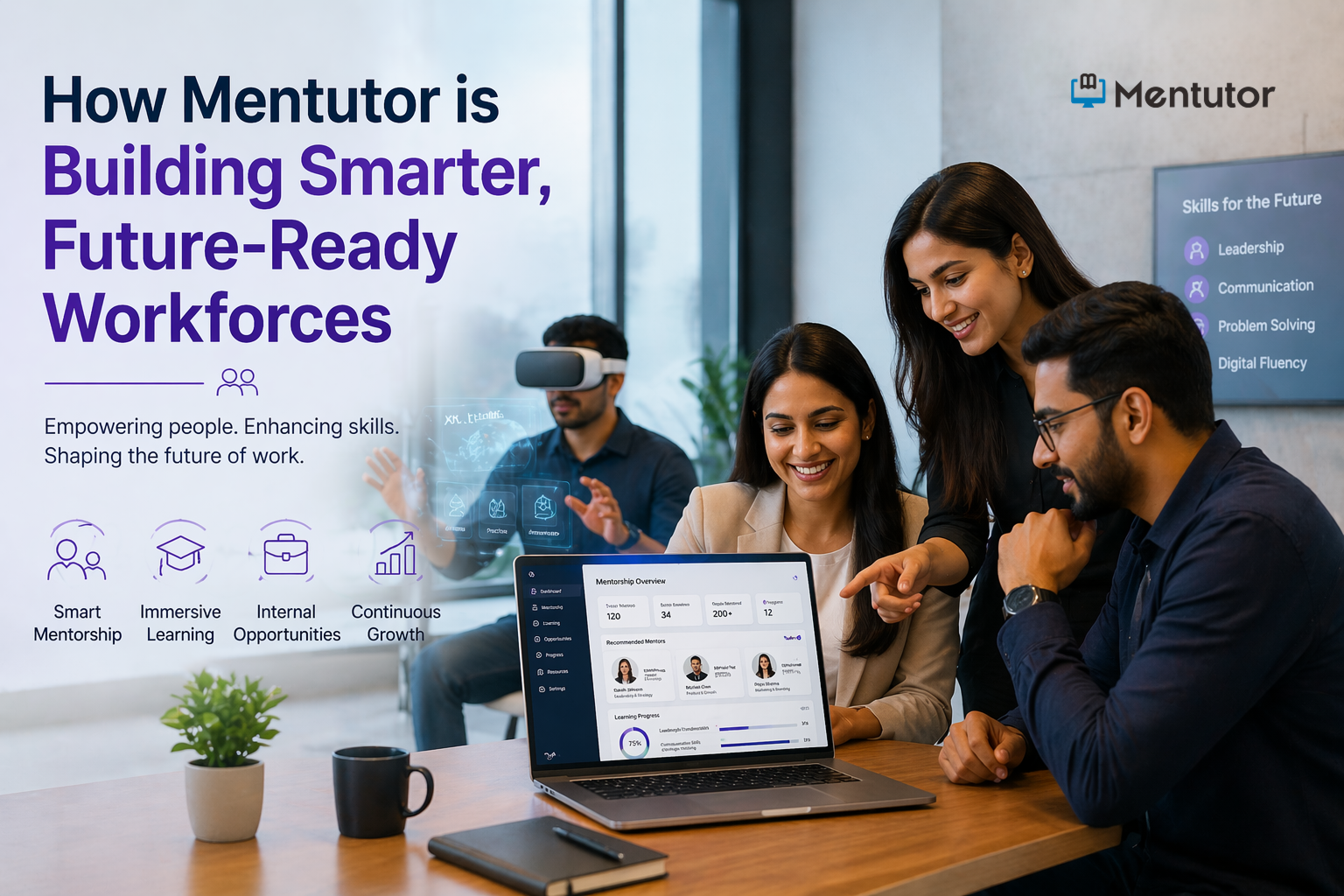
XR-aided mentorship (Extended Reality) takes this further by creating immersive learning experiences. For example, mentees can practice leadership in simulated team scenarios, handle conflicts in virtual settings, or participate in interactive strategy workshops. These experiences accelerate learning and help mentees apply leadership skills in real-life situations.
By combining human guidance with technology, organizations ensure mentorship programs are consistent, measurable, and impactful.
Tips for Maximizing Leadership Growth Through Mentorship
- Set Clear Goals: Define what leadership skills the mentee wants to develop.
- Encourage Open Dialogue: Mentees should feel comfortable sharing challenges and asking questions.
- Include Real Projects: Assign tasks that require decision-making and problem-solving under mentor guidance.
- Track Progress: Monitor growth areas, provide feedback, and celebrate milestones.
- Rotate Mentors: Exposure to different mentors broadens perspective and strengthens adaptability.
- Promote Peer Mentorship: Peer-to-peer mentoring can reinforce learning and create a culture of shared leadership.
Real-World Impact of Mentorship on Leaders
Organizations across industries have seen tangible benefits from mentorship programs:
- Emerging leaders make faster, more confident decisions.
- Employees develop stronger collaboration skills.
- Leadership readiness increases for succession planning.
- Overall organizational performance improves due to empowered leadership.
Even small mentorship initiatives—like pairing high-potential employees with senior leaders—can transform career trajectories and organizational culture.
Conclusion
Leadership is not innate—it is cultivated through guidance, experience, and reflection. Mentorship offers a structured path for employees to develop critical leadership skills, gain confidence, and build influence within their organizations.
By investing in mentorship programs, organizations don’t just support individual career growth—they build stronger teams, nurture future leaders, and drive long-term business success.
Whether through traditional guidance or innovative XR-aided mentorship, one truth remains clear: mentorship builds leadership—and the leaders of tomorrow are being shaped today.



Leave a reply