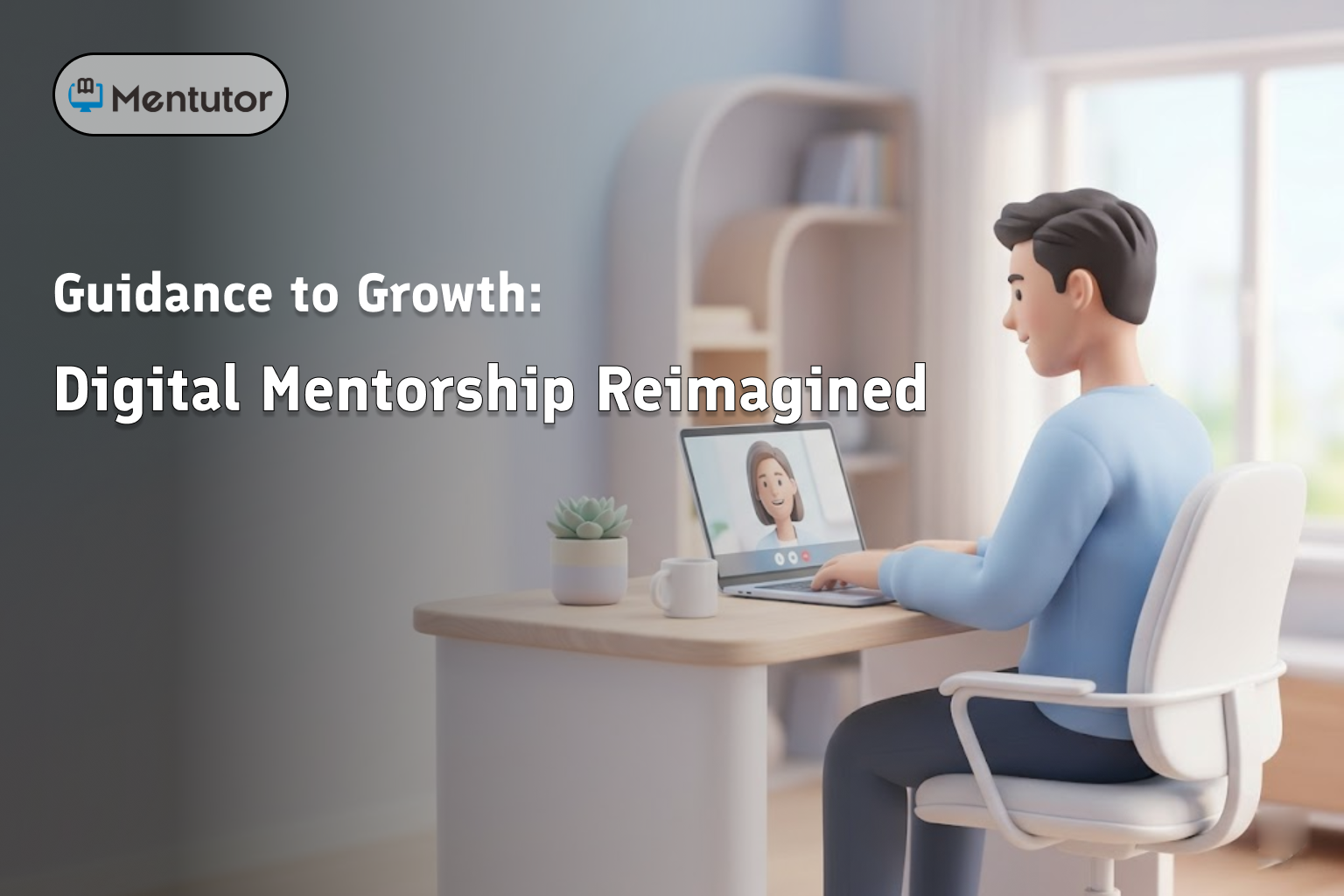



Professional success rarely happens in isolation. Behind many successful careers are mentors who provide guidance, share knowledge, and help individuals navigate complex professional paths.
In today's fast-changing workplace, mentorship is becoming more important than ever. Employees are expected to adapt quickly, learn new skills continuously, and solve increasingly complex challenges.
To support this evolving environment, organizations are turning to digital mentorship platforms that make mentorship more structured, accessible, and scalable.
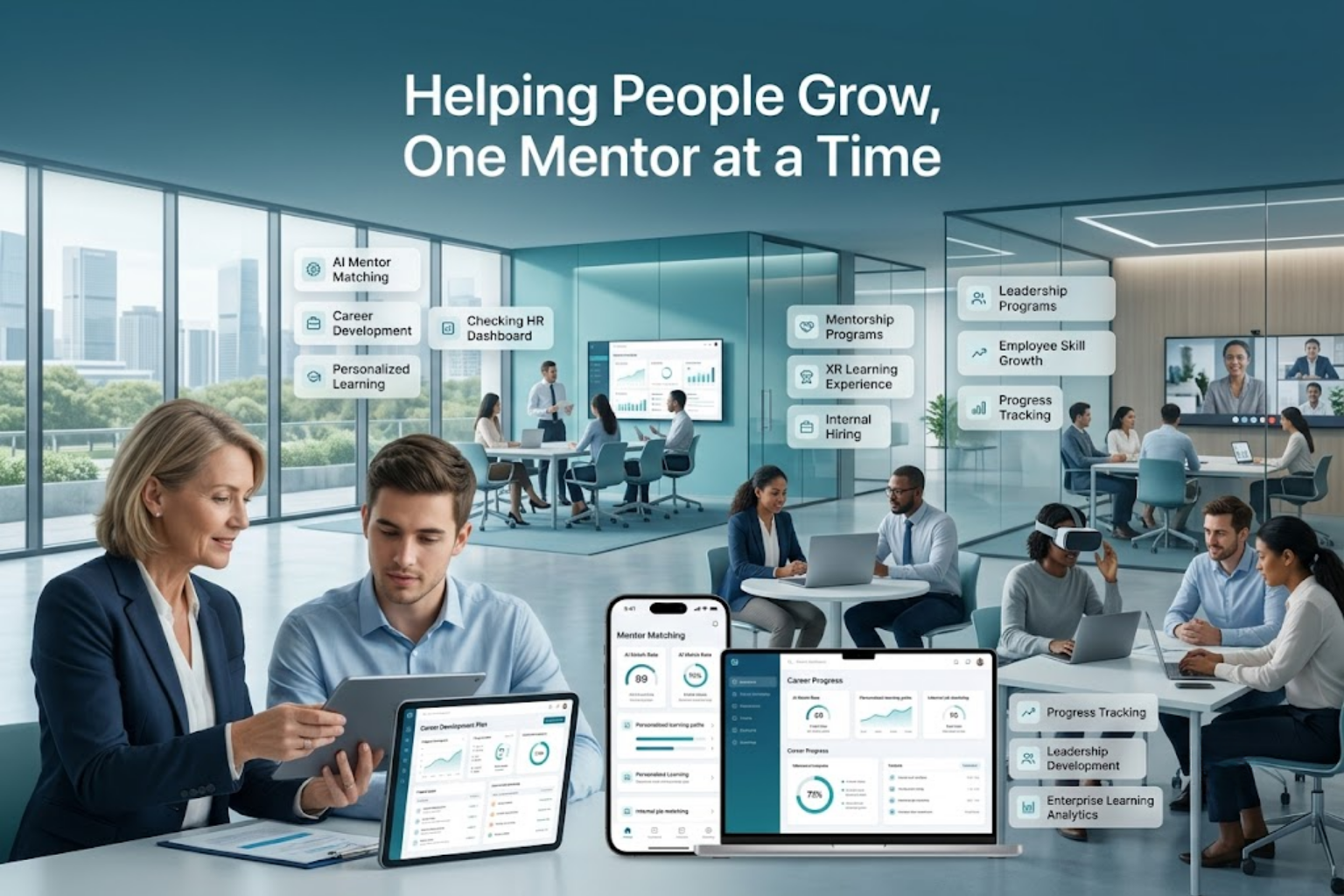
These platforms are helping organizations unlock the full potential of mentorship by combining technology, learning tools, and career development strategies in one unified system.
The Changing Landscape of Workplace Learning
The way employees learn and grow in their careers has changed dramatically.
Traditional training methods often focus on standardized courses or occasional workshops. While these approaches can provide foundational knowledge, they rarely address the personalized needs of each employee.
Mentorship offers something different.
Through one-on-one conversations, real-world insights, and personalized advice, mentors help employees develop practical skills that cannot always be learned from textbooks or training modules.
However, managing mentorship programs across large organizations can be challenging without the right tools.
Why Organizations Need Structured Mentorship Systems
As companies grow, informal mentorship becomes harder to maintain. Without structured systems, mentorship programs can become inconsistent or difficult to manage.
A digital mentorship platform provides a solution by bringing organization and transparency to the mentorship process.
With the right platform, organizations can:
- Create formal mentorship programs
- Connect mentors and mentees efficiently
- Track participation and progress
- Evaluate the impact of mentorship initiatives
This structured approach ensures that mentorship becomes a strategic part of talent development rather than an informal activity.
Empowering Employees Through Mentor Connections
One of the most valuable aspects of mentorship is the personal connection between experienced professionals and those seeking guidance.
Mentors can help mentees:
- Understand industry trends
- Improve leadership capabilities
- Develop strategic thinking skills
- Navigate workplace challenges
- Build confidence in decision-making
For employees, access to mentors often means faster learning and stronger career direction.
For organizations, mentorship helps develop future leaders from within the company.
Technology as a Catalyst for Mentorship
Digital mentorship platforms are transforming mentorship by making it easier for employees to connect and collaborate.
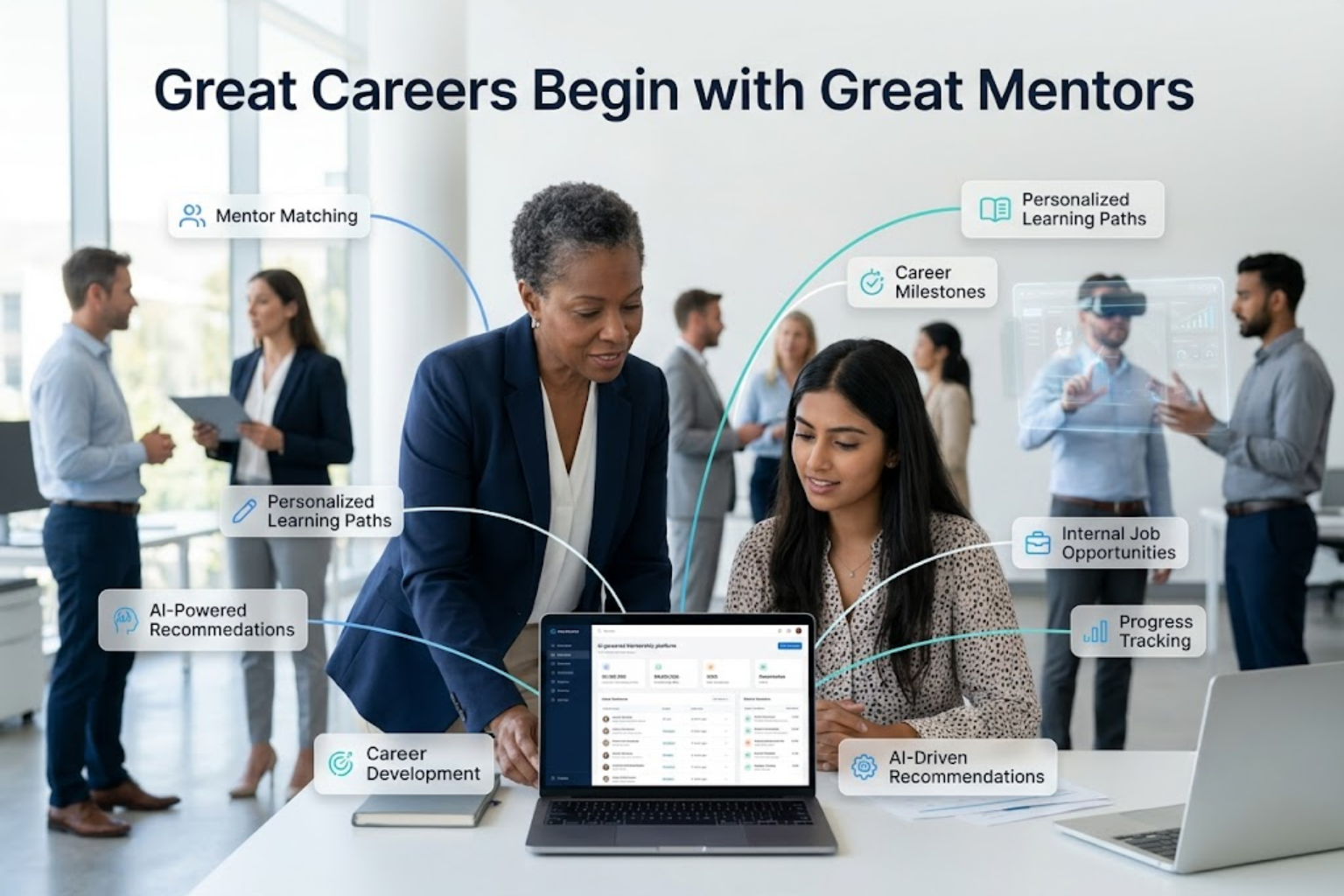
Instead of relying on chance encounters or manual pairings, employees can use advanced search tools to find mentors based on expertise, career interests, or professional goals.
Technology also simplifies scheduling, communication, and documentation of mentorship sessions.
These capabilities allow mentorship programs to operate efficiently across departments, locations, and even global teams.
Integrating Learning With Real-World Experience
One of the challenges of traditional training programs is bridging the gap between theoretical knowledge and practical application.
Mentorship helps close this gap by providing real-world context.
Employees can discuss real workplace challenges with mentors and receive advice based on actual experience. This combination of theory and practice accelerates skill development and improves problem-solving abilities.
When mentorship is integrated with digital learning tools, organizations can create a powerful ecosystem for professional growth.
The Rise of Immersive Learning Experiences
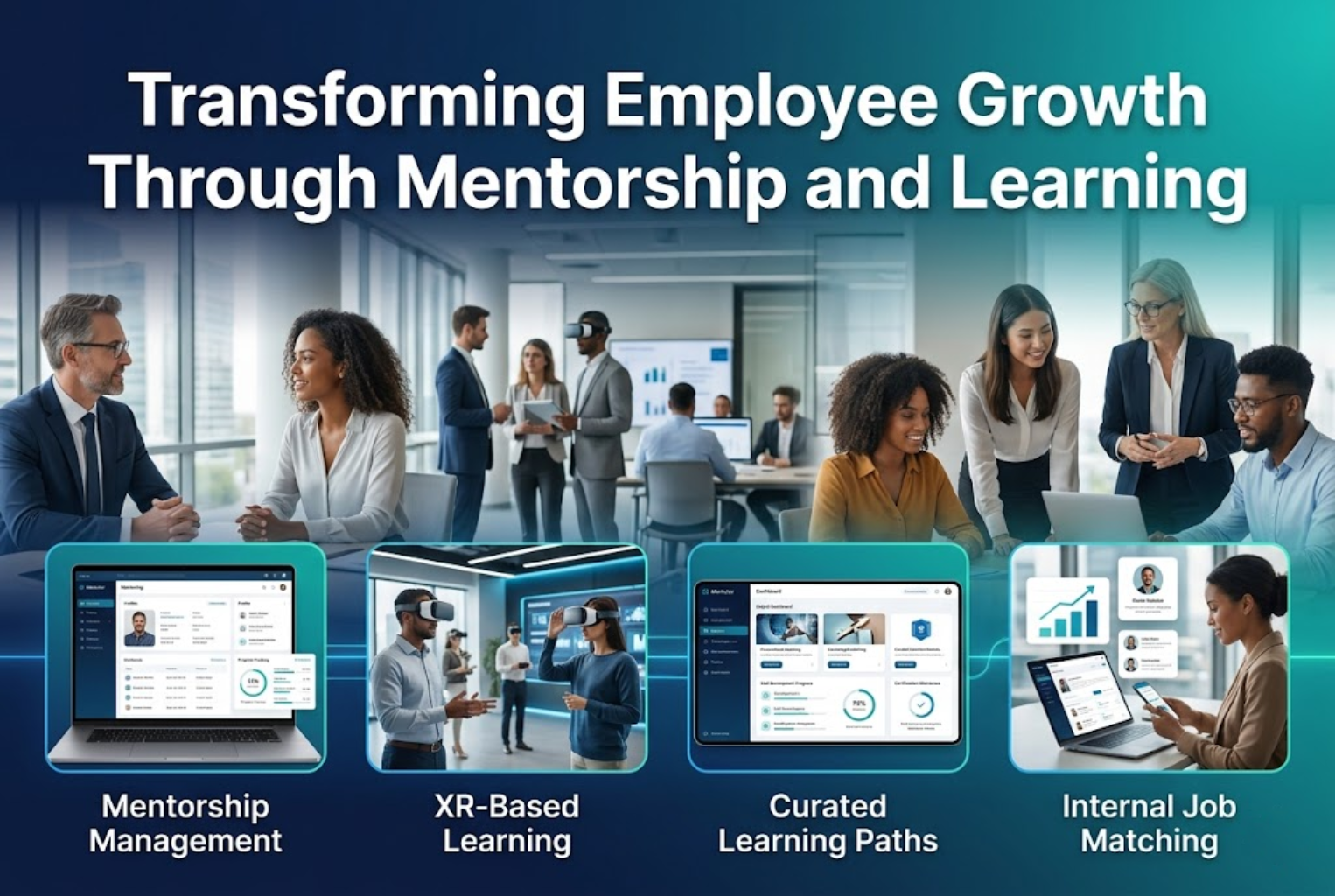
Innovative mentorship platforms are now incorporating immersive technologies such as virtual and augmented reality.
These tools allow employees to participate in simulated work environments, interactive training sessions, and collaborative virtual spaces.
For example, teams can explore complex technical scenarios, practice decision-making in simulated environments, or participate in immersive training modules.
These experiences make learning more engaging and help employees retain knowledge more effectively.
Encouraging Internal Career Mobility
Another important advantage of digital mentorship platforms is their ability to support internal talent development.
Employees often seek new challenges and opportunities within their organizations. However, they may not always know which roles align with their skills and interests.
Mentorship platforms can connect employee development with internal hiring opportunities.
By analyzing skills and career goals, organizations can match employees with relevant internal job openings. This approach supports career progression while helping companies retain experienced talent.
Strengthening Organizational Knowledge
Every organization possesses valuable knowledge within its workforce. Experienced employees often hold insights that cannot be found in manuals or training materials.
Mentorship programs provide a powerful way to transfer this knowledge to newer employees.
Through conversations, guidance, and shared experiences, mentors pass on valuable lessons that help mentees grow faster and avoid common mistakes.
Over time, this knowledge sharing strengthens the organization's overall capabilities.
Creating a Mentorship-Driven Culture
When mentorship becomes an integral part of workplace culture, organizations benefit in many ways.
Employees feel more supported in their professional journeys. Collaboration between teams improves. Leaders emerge naturally as experienced professionals guide the next generation of talent.
A mentorship-driven culture also encourages continuous learning. Instead of waiting for formal training opportunities, employees actively seek knowledge, advice, and feedback.
This culture of curiosity and collaboration can drive innovation and long-term organizational success.
Looking Ahead: The Future of Mentorship
As technology continues to evolve, mentorship platforms will become even more sophisticated.
Artificial intelligence may help identify skill gaps, recommend mentors, and personalize development pathways. Immersive technologies will create more interactive learning experiences.
Organizations that embrace these innovations will be better positioned to support their employees and adapt to changing industry demands.
The future of professional development will likely combine mentorship, technology, and personalized learning in ways that were unimaginable just a decade ago.
Conclusion
Mentorship has always been a powerful tool for career development, but the digital era is expanding its potential.
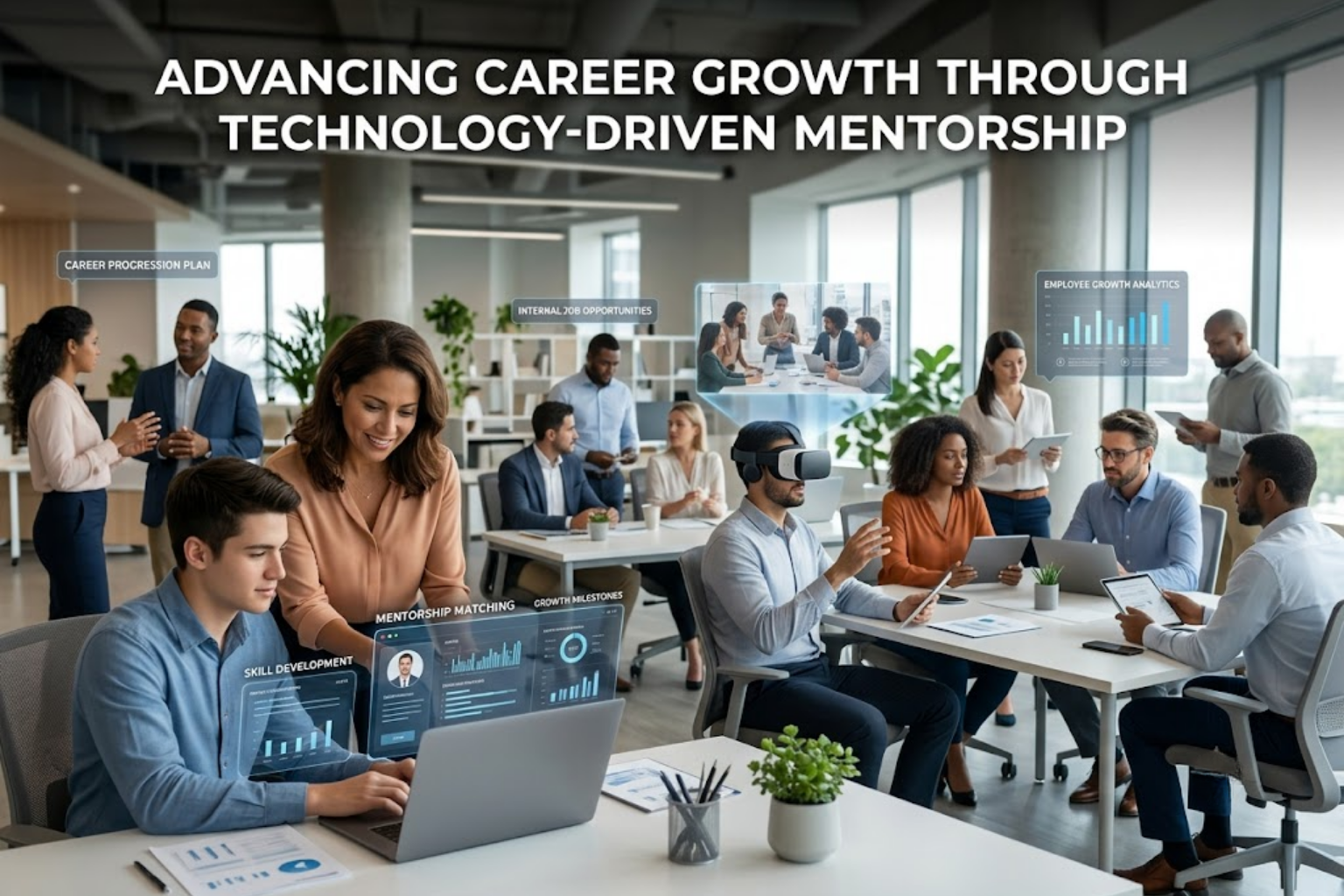
By integrating mentorship with technology, immersive learning tools, and internal career opportunities, organizations can create dynamic environments where employees thrive.
Modern mentorship platforms are not just about connecting mentors and mentees. They are about building stronger organizations, empowering employees, and preparing the workforce for the challenges of tomorrow.


Leave a reply